It shouldn't take a village
With everything in the headlines surrounding postpartum illness lately, and being only four weeks postpartum myself, I have been thinking a lot about my own experiences, especially my first.
I'll be honest. I have stayed away from most of the news coverage to protect my own mental health right now. But I keep coming back to the same thought.
We can do better.
After my first I was completely shell shocked. By all of it. Birth. Labor. What comes after. Nobody had told me about back labor. Nobody mentioned the swelling, the bleeding, the adult diapers. Nobody prepared me for any of it.
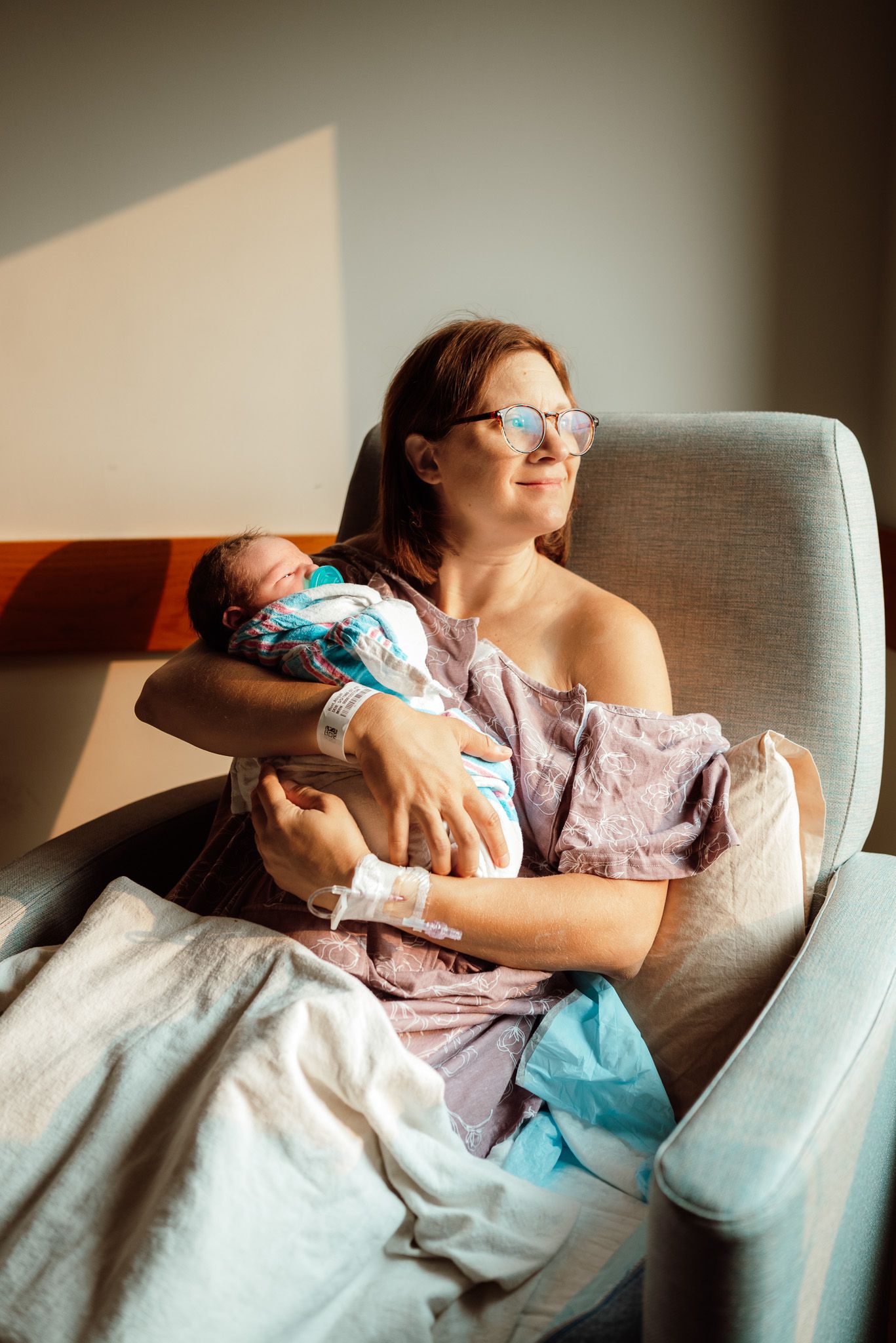
I remember when my milk came in five days later and I had no idea what was happening to my body. I was googling how to put cabbage leaves in my bra at midnight feeling completely inhuman.
Then came the night sweats. The hormone crash. The strange and disorienting feeling of not fully knowing the baby I had waited years for.
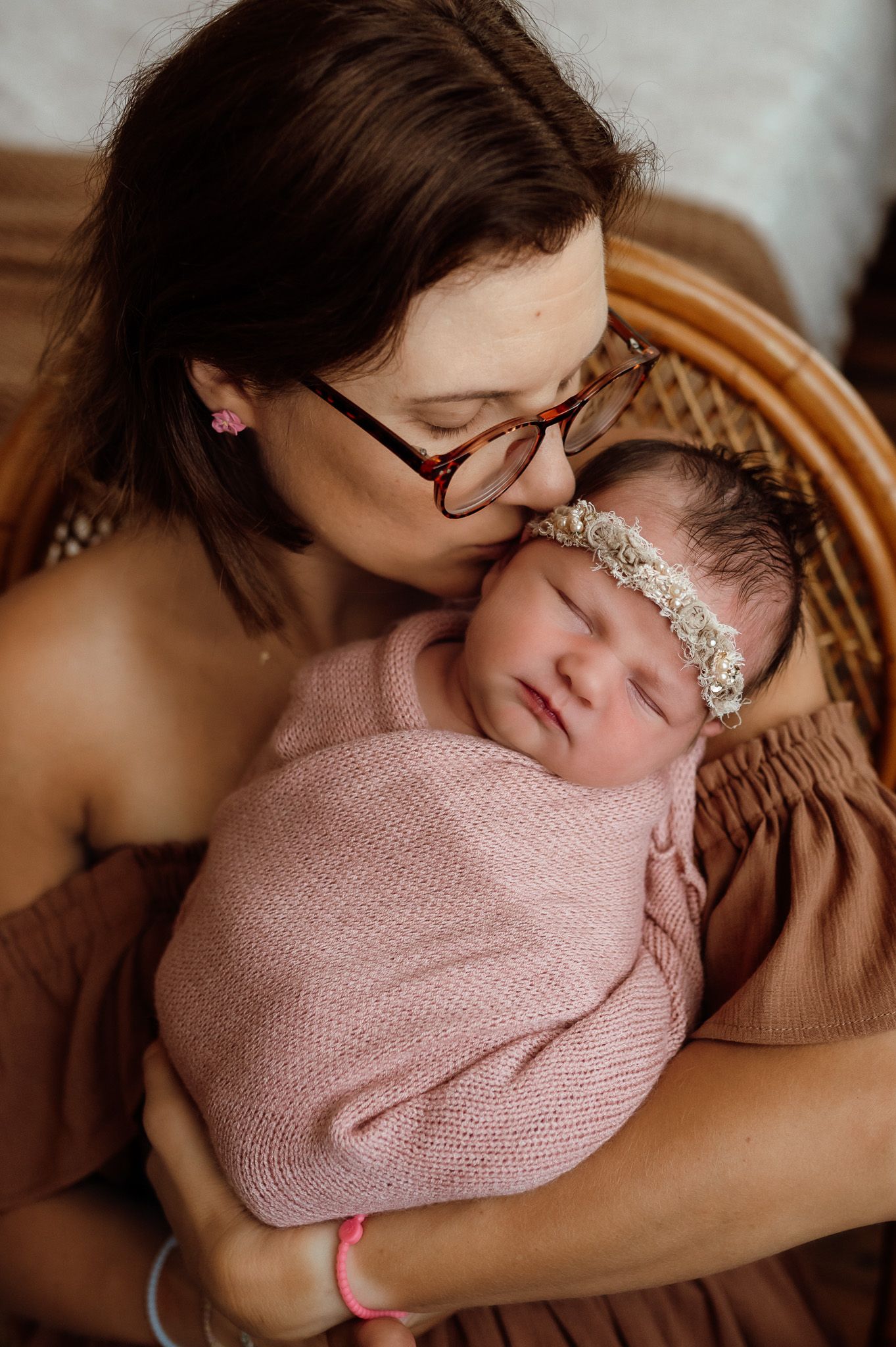
And then the guilt. For months I cried over everything. But mostly I cried because I felt guilty about things that were never in my control. And because I felt like I was wasting the first months of my daughter's life after praying so long to become her mother.
So when I sat at her appointments and a nurse handed me a piece of paper asking me to rate my feelings on a scale from never better to more than usual, there was no world in which I was going to tell the truth to someone I had never met who was there to treat my infant and not myself.
And so it continued for a few months. Until I slowly started to find my way back through prayer and journaling and finally letting myself say the words out loud to people who loved me. I feel genuinely fortunate that is all it took.
Because it is not that simple for everyone.
Postpartum depression. Anxiety. Rage. Psychosis. These are tragically real. And they are consistently minimized or dismissed as normal baby blues by the very people who are supposed to be watching for them.
When I finally got brave enough to talk to other moms about what I had experienced, I was stunned by how many felt the exact same way. Every single conversation started with "I had no idea that".
And that is the problem.
There is almost no real education on any of this. The final weeks of pregnancy are five-minute appointments. A quick heartbeat check. Blood pressure. See you next time. And then birth happens however it happens and you go home and figure it out.
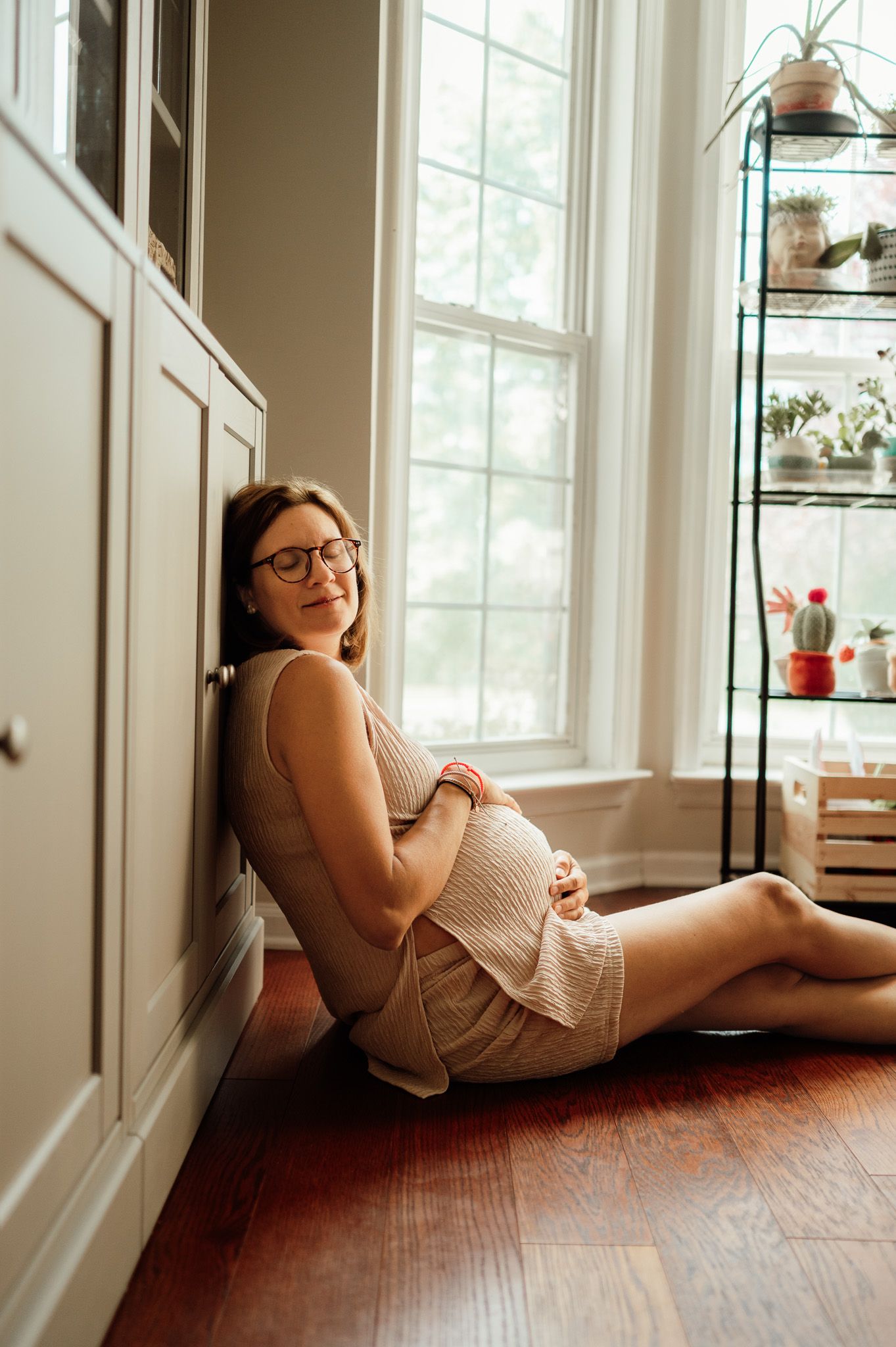
For me that looked like an induction at 42 weeks. Thirty six hours of back labor. A failed epidural. An emergency c section for a baby who was stuck. Two years of infertility and a miraculous pregnancy that went two weeks longer than expected and a traumatic birth all landing on me at once while I learned how to keep a newborn alive.
Followed by one small follow up appointment six weeks later to check my scar. And it's not a knock on my doctor's office, because I know they are just following protocol. But the problem is that that IS the protocol.
I know I am not alone in this. And I am grateful my story didn't go further than it did. But so many women's stories do.
We say it takes a village. And it does. But we shouldn't have to rely on the village to fill in the gaps that the medical system leaves wide open.
The hardest part of postpartum is the unknown. Not knowing if what you are feeling is normal. Not knowing if you should say something or just push through. Not knowing if the fog is going to lift.
More time at appointments. Proactive education instead of a rushed "do you have any questions." A counselor available in the hospital after birth. A postpartum screener that doesn't look like it has been photocopied since 1987.
Pregnancy is hard. Postpartum is hard. And that is okay.
I just wish someone had told me that ahead of time.